

You weren't issued a sense of humor at birth
But you can still develop one. Here's the first rep.

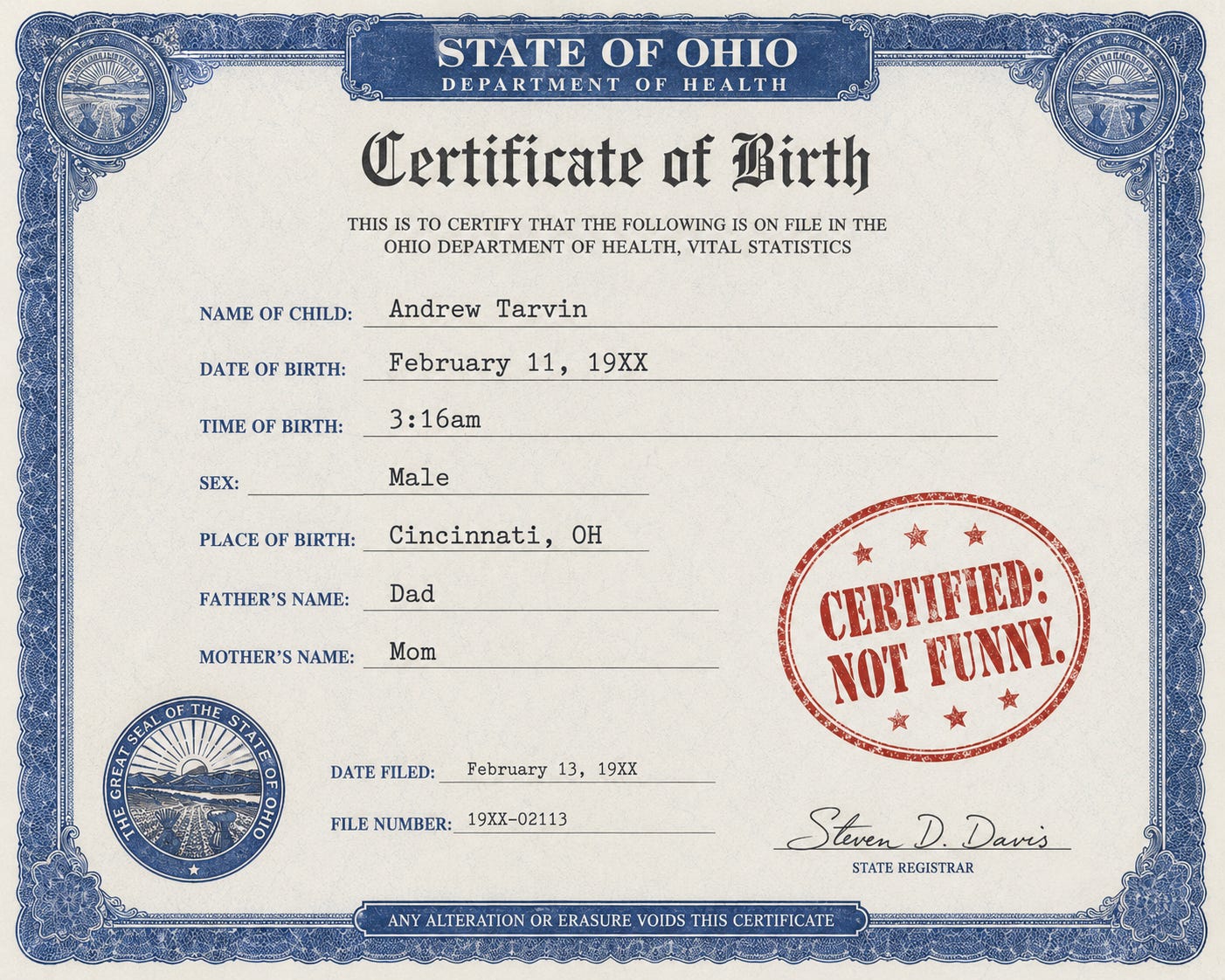
We say someone “has a great sense of humor” the same way we say they have blue eyes. As if it came standard at birth, issued alongside the birth certificate and a lifelong habit of laughing at their own jokes (who, me? Couldn’t be...).
It’s a common belief. It’s also wrong. And it might be the single biggest thing standing between you and a skill that would make your work noticeably easier.
Why the myth survives
You only ever see the finished version of a funny person. You see them land the perfect line in the meeting, the one that breaks the tension the exact moment when everyone needs it.
What you don’t see is the attempt they made last week that went nowhere. You don’t see the three other things they considered saying and threw out. You don’t know they took improv classes in college, and you (almost certainly) weren’t around for the awkward teenage years that sent them looking for humor in the first place.
So what looks like natural talent is usually just practice you weren’t there to see.
People who do this for a living are proof. The joke you hear in a comedy special has been workshopped hundreds of times in tiny rooms you’ll never sit in. You get the highlight reel, not the hours that landed on the cutting room floor.
The “naturally funny person” is often the most rehearsed person in the building.
I’m an engineer. I was not born funny.
I went to school for computer science and engineering. I’m wired to optimize a spreadsheet, not command a room. So when I started doing stand-up in 2004, I was bad at it, and I knew it. By my fourth show I could see I was nowhere near the people going up before and after me.
I nearly gave up, resigning myself to the belief that some people had it and some, like me, definitely did not.
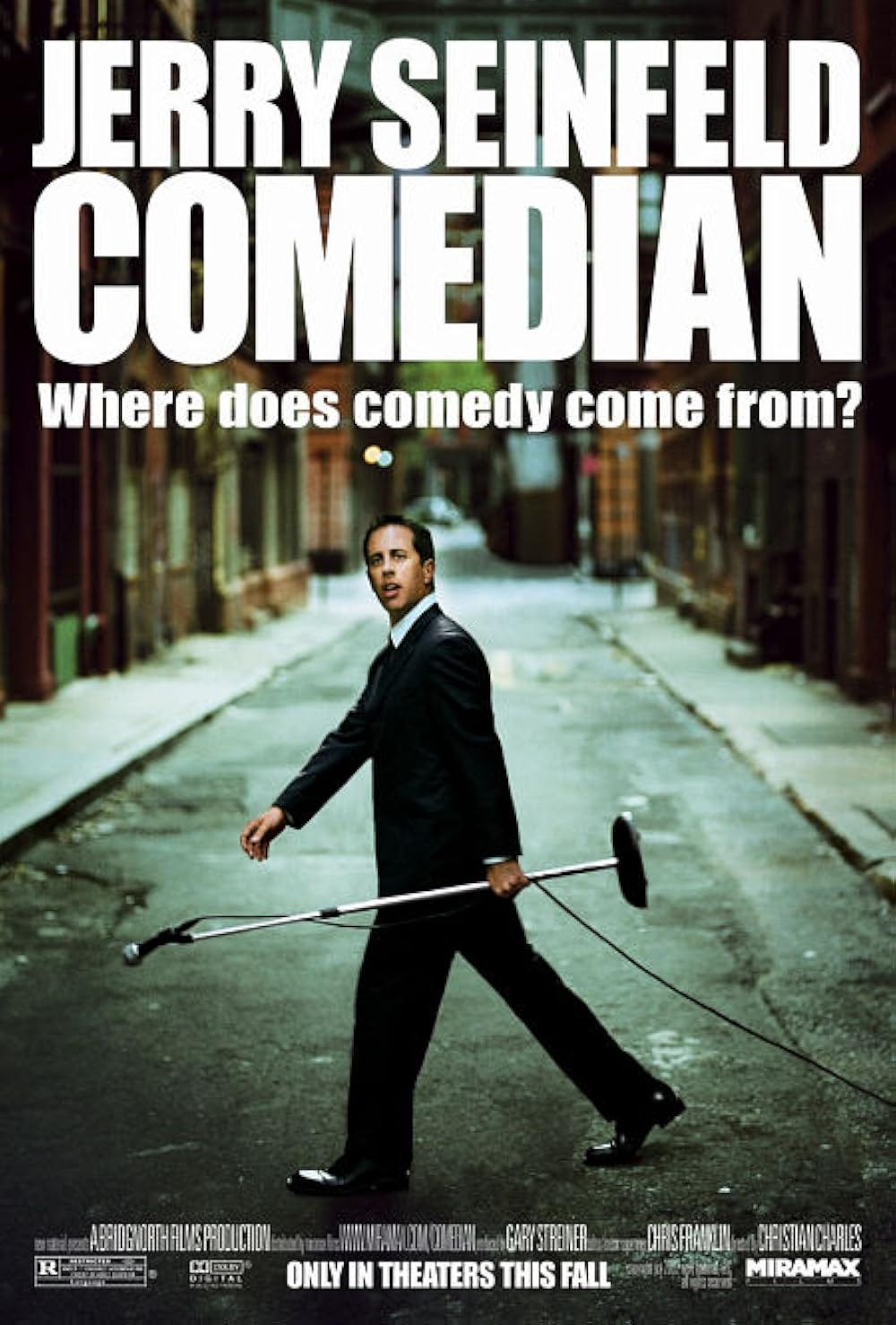
Then I watched Comedian, the documentary that follows Jerry Seinfeld building a brand-new act from scratch. There he was, one of the most successful comedians alive, forgetting his lines and dying in small clubs, night after night. He wasn’t born with that set. He was building it one rep at a time.
The myth has a price
Believing humor is innate gives you permission to never try. You decide, somewhere around age fourteen, that you’re “not a funny person,” file it next to “not a people person” and “not a morning person,” and never touch it again. You stop trying in the exact moment trying would have helped.
And the cost is real. This is the skill that makes you, the person people want in the room, the one who can bring the temperature down when a project is on fire, the breath of fresh air in the middle of a meeting of “blah.”
Deciding you don’t have it means doing without all of that, permanently, on a snap judgment your younger self made with incomplete data.
Your rep for this week
So here’s one rep. Once this week, write down something that made you laugh AND one sentence on why it worked. The unexpected word. The true thing nobody else was willing to say out loud. The cheesy pun that’s actually more clever than you’ll ever get credit for.
You’re not performing it and you’re not telling anyone. You’re starting to notice the mechanics, the way a musician starts hearing the chord changes in a song they’ve heard a hundred times.
Noticing is the first rep. Talent is just the word we use for people who started before you did.
Wit regards,
-Andrew
P.S. Yes, “do your reps” makes humor sound like a workout. It mostly is because both get better with more sets.
Andrew, I love this simple reminder that humor is a muscle that needs to be exercised. Thanks for sharing your wisdom!
I concur. The jokes you see at comedy shows have been honed over many versions to find just the right combination of words and rhythm.